
.jpg)
At first glance, kindness doesn’t sound like a business strategy.
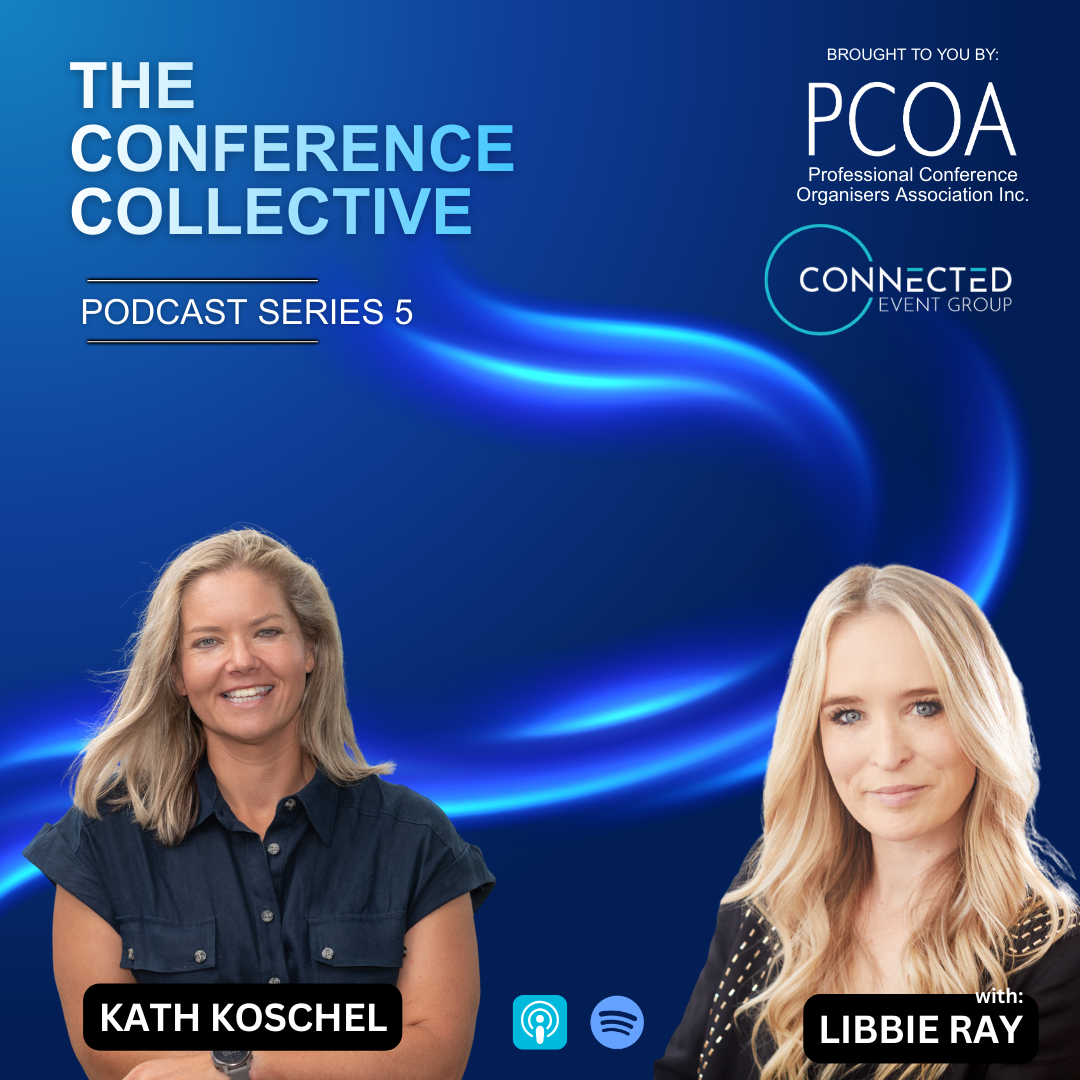
But in the latest episode of The Conference Collective, host Libbie Ray sits down with speaker and Kindness Factory founder Kath Koschel to unpack why kindness is far more powerful than many organisations realise.
Recorded live at PCOA25 in New Zealand, the conversation explores resilience, communication, workplace culture and the science behind human connection. It’s a powerful reminder that the way we treat each other shapes everything from team performance to audience engagement.
And for those of us working in events, that message couldn’t be more relevant.
One of the most interesting moments in the episode is when Kath draws a distinction between nice and kind.
Nice is passive. It’s often people-pleasing or avoiding conflict.
Kindness, on the other hand, is active. It requires honesty, courage and discipline. It means doing the right thing for yourself and others, even when it’s uncomfortable.
That distinction matters in workplaces, where difficult conversations, creative risk-taking and honest feedback are essential for growth.
When teams feel safe enough to speak up, challenge ideas and contribute openly, organisations perform better. In other words, kindness creates psychological safety.
The conversation also dives into the research behind why kindness works.
When we give, receive or even witness acts of kindness, the brain releases chemicals such as serotonin and oxytocin. These influence mood, stress levels and even pain tolerance.
In practical terms, this means kindness doesn’t just feel good. It changes how people perform, collaborate and solve problems.
For organisations, the implications are huge.
Kath explains that workplaces with strong cultures of psychological safety tend to see:
In contrast, environments where people feel unsafe or undervalued often experience lower engagement and higher staff turnover.
It’s not just a cultural issue. It’s a business one.

Another theme that stood out in this episode was communication.
Kath highlights how technology has changed the way we interact. Many conversations now happen through messages or online platforms rather than face to face.
While technology has created incredible opportunities, it can also remove context, tone and empathy from conversations.
Her advice is simple but powerful: ask two more questions.
Instead of jumping to conclusions about someone’s intentions, curiosity can quickly create understanding and connection.
For anyone who has worked on a large event or conference, this will feel familiar. Miscommunication can happen quickly when teams are moving fast and coordinating multiple stakeholders.
Clear communication and positive intent are often what keep projects running smoothly.
Events are, at their core, about human connection.
We gather people together to share ideas, build relationships and create experiences that matter. But the environments we create as organisers, producers and suppliers also shape how those experiences unfold.
A culture of kindness doesn’t just benefit internal teams. It influences the entire event ecosystem.
When speakers feel supported, they perform better.
When suppliers collaborate openly, problems get solved faster.
When attendees feel welcomed, they engage more deeply.
That ripple effect is something we think about constantly at Connected Event Group.
Whether we’re producing a conference, livestream or hybrid event, the goal is always to create an environment where people can connect and communicate effectively.
Interestingly, the conversation also touches on the role of technology in communication.
While digital tools can sometimes create distance, the right technology can also strengthen connection when used intentionally.
This is something we’ve been thinking a lot about recently with the launch of Connected Apps.
Connected Apps was designed to simplify event workflows and create clearer communication between organisers, speakers and teams. From managing information and schedules to centralising resources, the goal is to reduce friction so people can focus on what actually matters.
Because when the logistics run smoothly, teams have more capacity to collaborate, solve problems and create great experiences.
And that’s where the real magic of events happens.
.png)
One of the biggest takeaways from this episode is that kindness doesn’t require grand gestures.
It can be as simple as:
Those small moments build trust and strengthen relationships over time.
In high-pressure industries like events, where deadlines are tight and expectations are high, those actions can make a meaningful difference.
The conversation between Libbie and Kath is thoughtful, honest and incredibly relevant for anyone working with teams, communities or audiences.
You can listen to the full episode of The Conference Collective now.
And if there’s one idea worth taking away, it might be this:
Kindness isn’t just a value. It’s a strategy.


.webp)