

Long before LED walls, live streaming and connected event apps, people were already finding ways to tell stories visually. The AV revolution didn’t begin with screens and software. It began with movement, illusion and the human desire to bring ideas to life. To understand where event technology is today, it helps to go right back to the beginning.
The Origins of Visual Storytelling
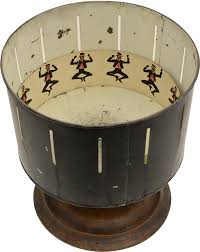
Before electricity, visuals were created by hand. Early animation techniques like stop motion used physical objects, photographed frame by frame, to create the illusion of movement. Devices such as flipbooks, zoetropes and magic lanterns laid the groundwork for how audiences experience motion, pacing and narrative.
These techniques weren’t digital, but the principles remain the same today. Timing, attention and visual flow still sit at the heart of every successful event experience.
Film, Projection and the Birth of Shared Viewing
The introduction of film and projection changed everything. For the first time, large groups of people could share a visual experience simultaneously. Projectors became a powerful storytelling tool, bringing moving images into theatres, classrooms and eventually events.
In early live events, projection was basic and often unreliable, but it marked a shift. Visuals were no longer static. They could evolve, reinforce messaging and create emotional impact.
When AV Entered the Room
As sound systems and lighting became more accessible, AV slowly entered event spaces. Microphones amplified voices, speakers reached larger audiences and lighting allowed rooms to be shaped with intention.
At this stage, AV was still functional rather than creative. Success meant being seen and heard clearly. But the foundations for modern event production were being laid.
The Digital Turning Point
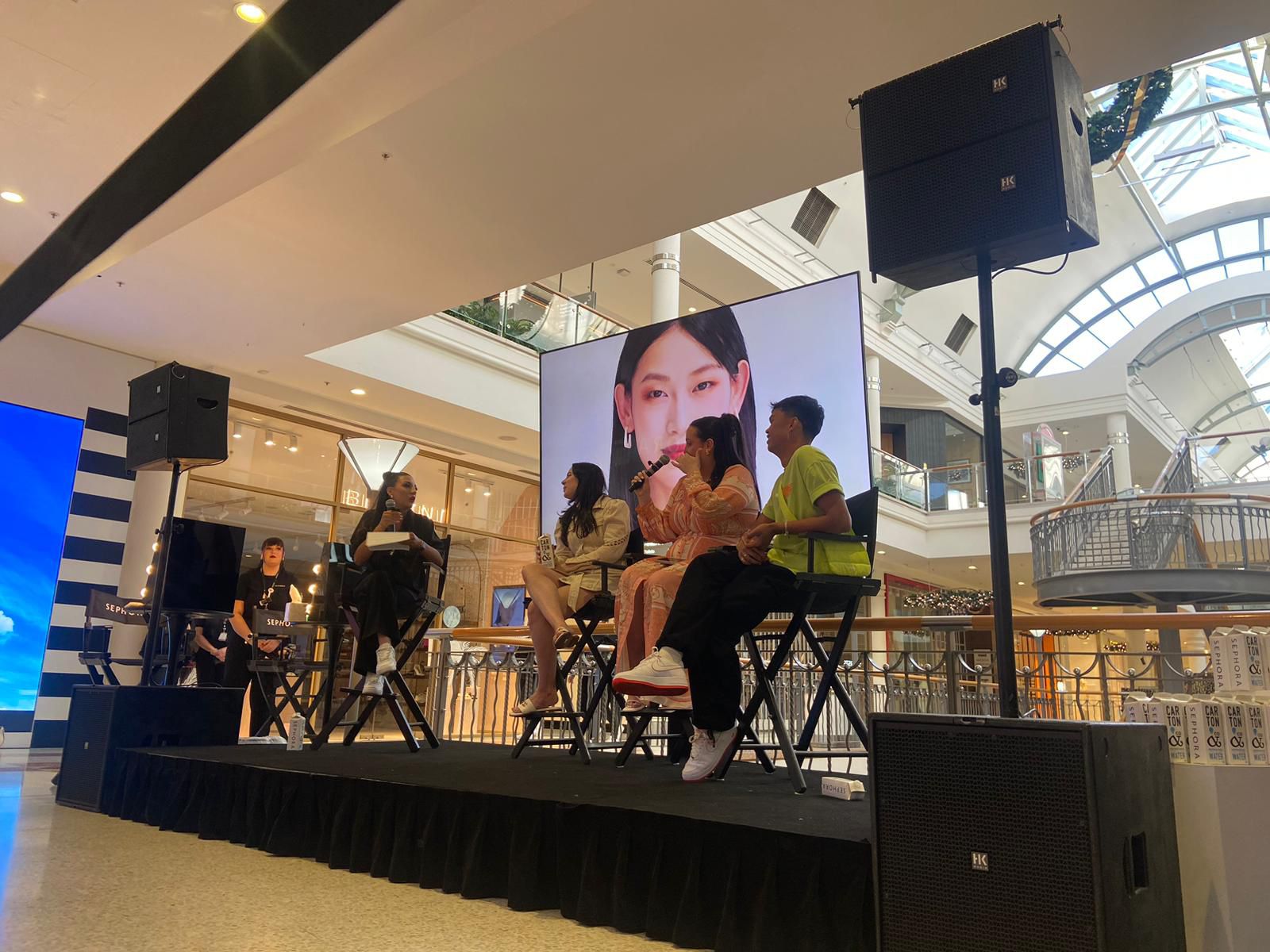
The move from analogue to digital unlocked new possibilities. Content could be edited, duplicated and controlled more precisely. Screens became brighter, audio clearer and lighting more dynamic.
This era saw AV shift from support to enhancement. Events could now align visuals, sound and lighting to reinforce a theme or brand, rather than simply delivering information.
-4%20(1)%20(1).jpg)
The Rise of LED and Immersive Design
LED technology marked a major turning point. No longer limited by projection surfaces or ambient light, events could be designed around visual environments rather than screens.
Ultra-fine pitch LED brought clarity to close viewing spaces, while flexible LED introduced curves, columns and custom structures. Stages became immersive environments, exhibitions became visual landmarks and content became architecture.
.jpg)
Interactivity and Intelligent Experiences
As audiences became more connected, expectations changed. Events were no longer something to sit and watch. They became something to participate in.
Interactive displays, digital signage and AI-powered photo booth experiences introduced personalisation and real-time engagement. Attendees could create content, interact with brands and take moments with them beyond the event itself.
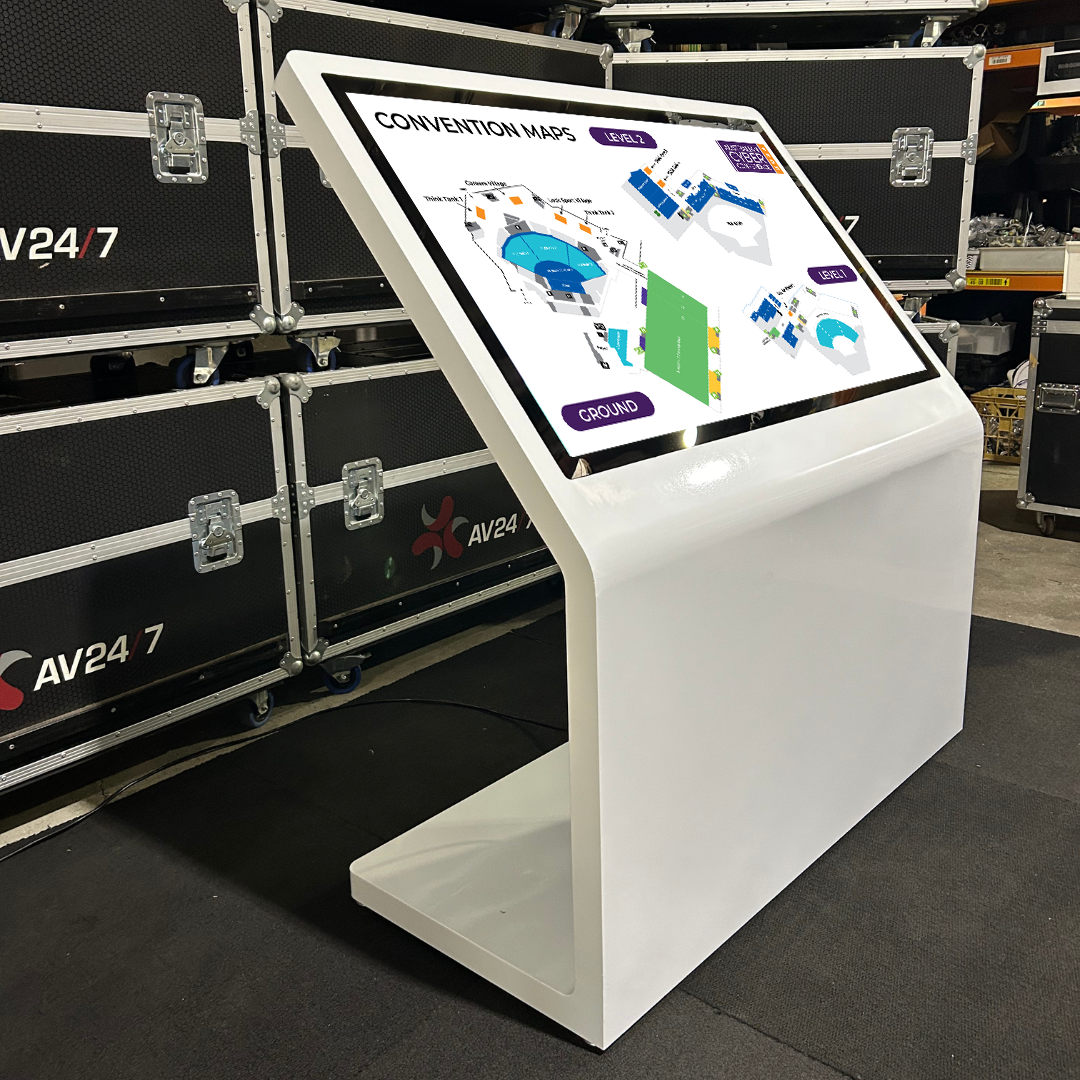
At the same time, digital wayfinding replaced static signage, helping people navigate venues more intuitively and adapt to live changes.
.jpg)
The Era of Connected Events
Today, AV is part of a wider ecosystem. Event apps, custom microsites and integrated platforms connect content, navigation and engagement into a single experience.
Attendees move seamlessly from registration to session rooms, from live content to on-demand access, supported by technology that works quietly in the background. AV is no longer a standalone element. It is woven into the entire event journey.
From Handcrafted Frames to Smart Events
What started with handcrafted stop motion frames has evolved into intelligent, connected event environments. While the technology has changed dramatically, the goal remains the same. To tell stories, create moments and connect people.
The AV revolution is not just about new tools. It is about how those tools are used to shape experiences. And as technology continues to evolve, so too will the way we bring events to life.

.webp)
