
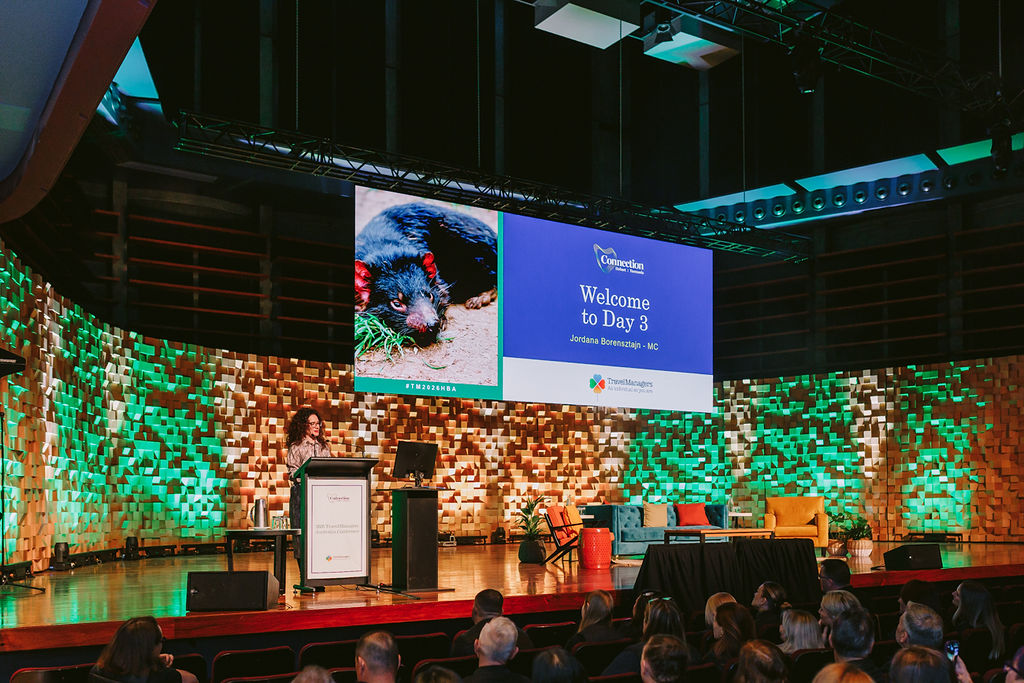
Your stage is more than a place for speakers to stand. It's the focal point of your event, setting the tone for your audience and creating the backdrop for every presentation, announcement and memorable moment. So, when it comes to stage design, audiovisual (AV) technology should be part of the plan from the very beginning, not something added at the last minute.
From LED screens and creative lighting to custom displays and immersive visuals, the right AV setup can transform a standard stage into an engaging experience that supports your event objectives, reinforces your brand and keeps your audience focused.
Here's how to incorporate AV into your stage design to create a setup that looks great and works even better.
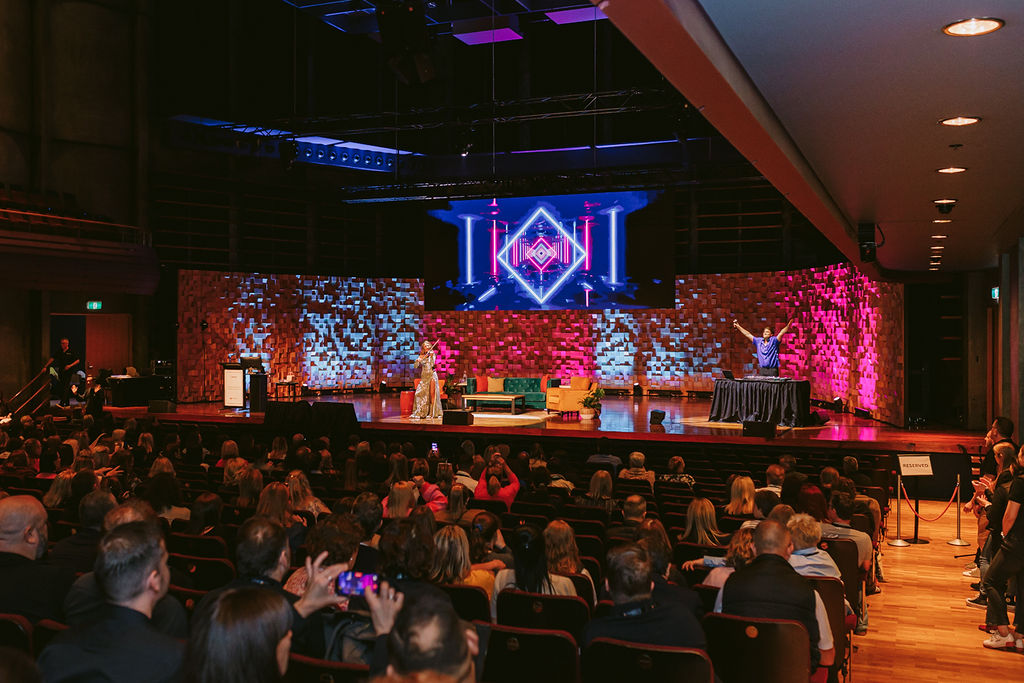
One of the most common mistakes in event planning is designing the stage first and figuring out the AV requirements later. This can limit your options, create unnecessary costs and leave you trying to fit equipment into a design that wasn't built to accommodate it.
Instead, consider your AV requirements during the initial stage design process. Think about the type of content you'll be displaying, the number of speakers, the size of your audience and how the stage will be used throughout the event.
Will you be running keynote presentations, panel discussions, product demonstrations or awards? Does your stage need to accommodate multiple presenters at once? Will sponsors need dedicated branding opportunities?
Answering these questions early helps determine the most suitable screen sizes, display positions, lighting requirements and technical infrastructure. It also gives your AV partner the opportunity to recommend solutions that complement the stage design rather than compete with it.
LED screens are one of the most versatile tools available for modern event stage design. They can provide a backdrop for presentations, showcase branded content, display live camera feeds and create visual moments that make your event more memorable.
A large LED wall behind the stage can establish a strong visual focal point, while multiple screens can help ensure content is visible from different areas of the room. For conferences, this might mean displaying presentation slides and speaker visuals. For product launches, it could mean creating a bold branded backdrop that builds anticipation before the big reveal.
But LED doesn't have to mean one large rectangular screen.
Creative configurations, including LED columns, curved displays and custom LED features, can add depth and dimension to a stage. Smaller LED displays can also be incorporated into podiums, plinths or surrounding structures to extend your visual branding beyond the main backdrop.
The key is to choose a configuration that suits the scale of your event and the content you plan to display. Consider viewing distances, screen proportions and sightlines to ensure the visuals enhance the experience for everyone in the room.
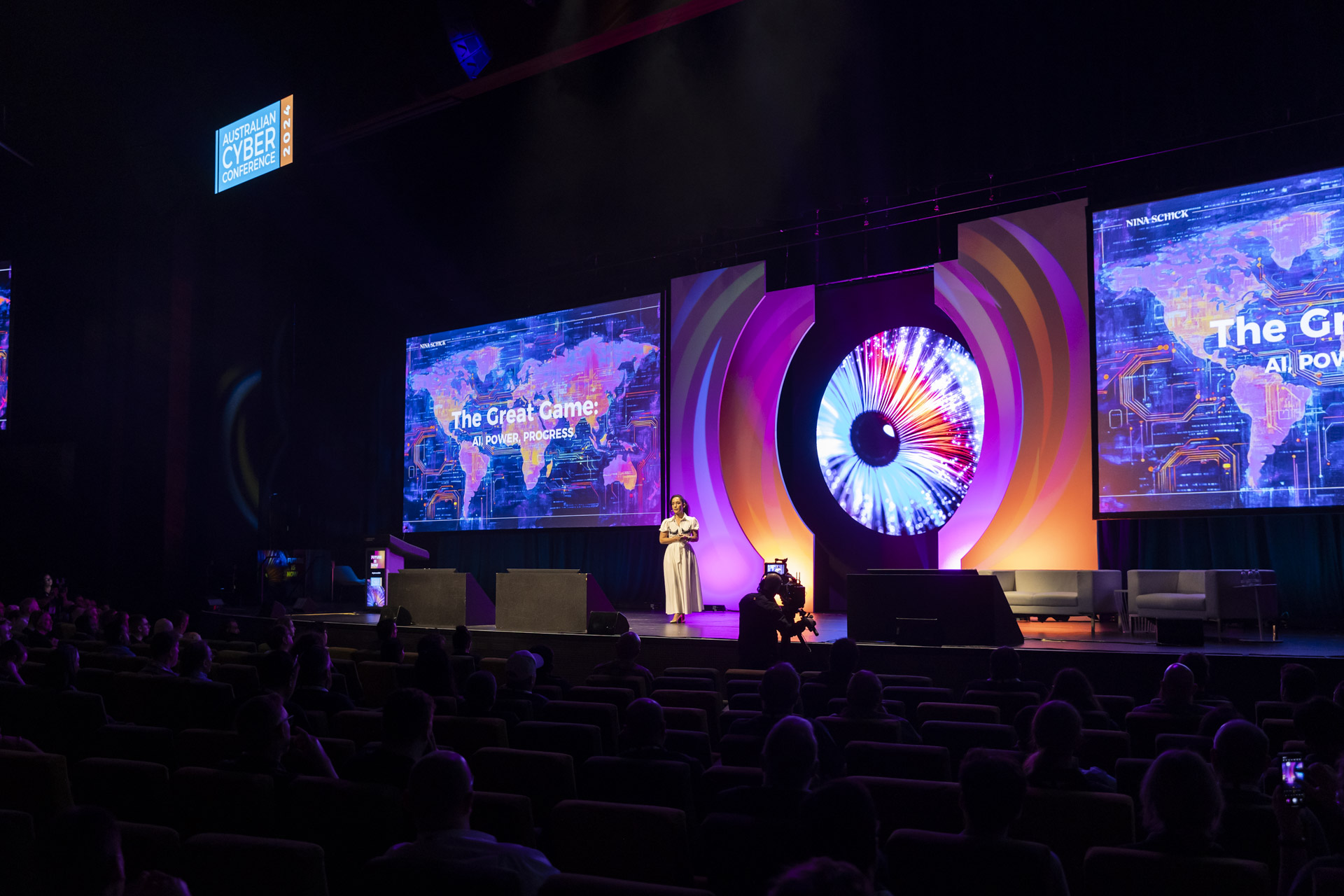
Lighting plays an important role in bringing your stage design together. It helps establish the mood, directs attention towards speakers and performers, and creates visual contrast between different parts of the stage.
Well-planned stage lighting can make a keynote presentation feel polished and professional, create drama during a product reveal or transform an awards ceremony into a more immersive experience.
The secret is to consider lighting and screens together. LED displays can produce significant amounts of light, so the surrounding stage lighting needs to complement the content without washing out the visuals or distracting the audience.
It's also worth planning how the lighting will change throughout the event. A panel discussion may require a different setup from an opening video, a speaker presentation or an awards announcement.
By coordinating lighting cues with presentations, video content and stage transitions, your production team can help create a more seamless experience from start to finish.
Your stage design doesn't have to stop at the main screen. Incorporating AV into other parts of the stage and surrounding environment can create a more cohesive and visually interesting setup.
Custom LED columns can frame the stage, introduce colour and branding, or provide additional surfaces for sponsor content. LED plinths can showcase products, awards or branded objects, with configurable sizes and LED display options to suit different designs.
Additional displays can also be positioned to support audience visibility, while confidence monitors help presenters follow their notes or presentations without repeatedly turning away from the audience.
These details serve a practical purpose as well as a visual one. The best stage designs integrate technology in ways that feel intentional, rather than adding equipment simply because it's available.
For conferences, exhibitions and corporate events, stage design can also play an important role in delivering value to sponsors.
Rather than limiting sponsor visibility to a logo on a holding slide, consider how digital displays can create more opportunities for brand exposure throughout the event.
LED backdrops can feature sponsor branding between sessions, while LED columns and plinths can provide additional digital real estate. Content can be tailored to different sponsors, sessions or event moments, helping organisers create more flexible sponsorship packages.
You could also incorporate sponsor branding into session transitions, networking announcements and other scheduled content, provided it complements the event experience.
The important thing is to plan these opportunities early. When sponsor requirements are considered during the AV and stage design process, you have more flexibility to create valuable placements without compromising the overall aesthetic.
A stage might look impressive in a render or through a camera lens, but it also needs to work for the people sitting in the room.
Sightlines should be a priority when deciding where to position screens, speakers, lighting fixtures and stage structures. Consider the furthest seats, the width of the room and whether any architectural features could obstruct the view.
Screen size and resolution also matter. Content needs to be readable from the back of the room, while the resolution and pixel pitch of an LED screen should suit the expected viewing distance.
If your event will be filmed or livestreamed, there are additional considerations. Camera angles, lighting levels, screen content and the relationship between presenters and displays can all affect the final broadcast.
Planning for both the live audience and the camera helps ensure your stage looks professional in the room and on screen.
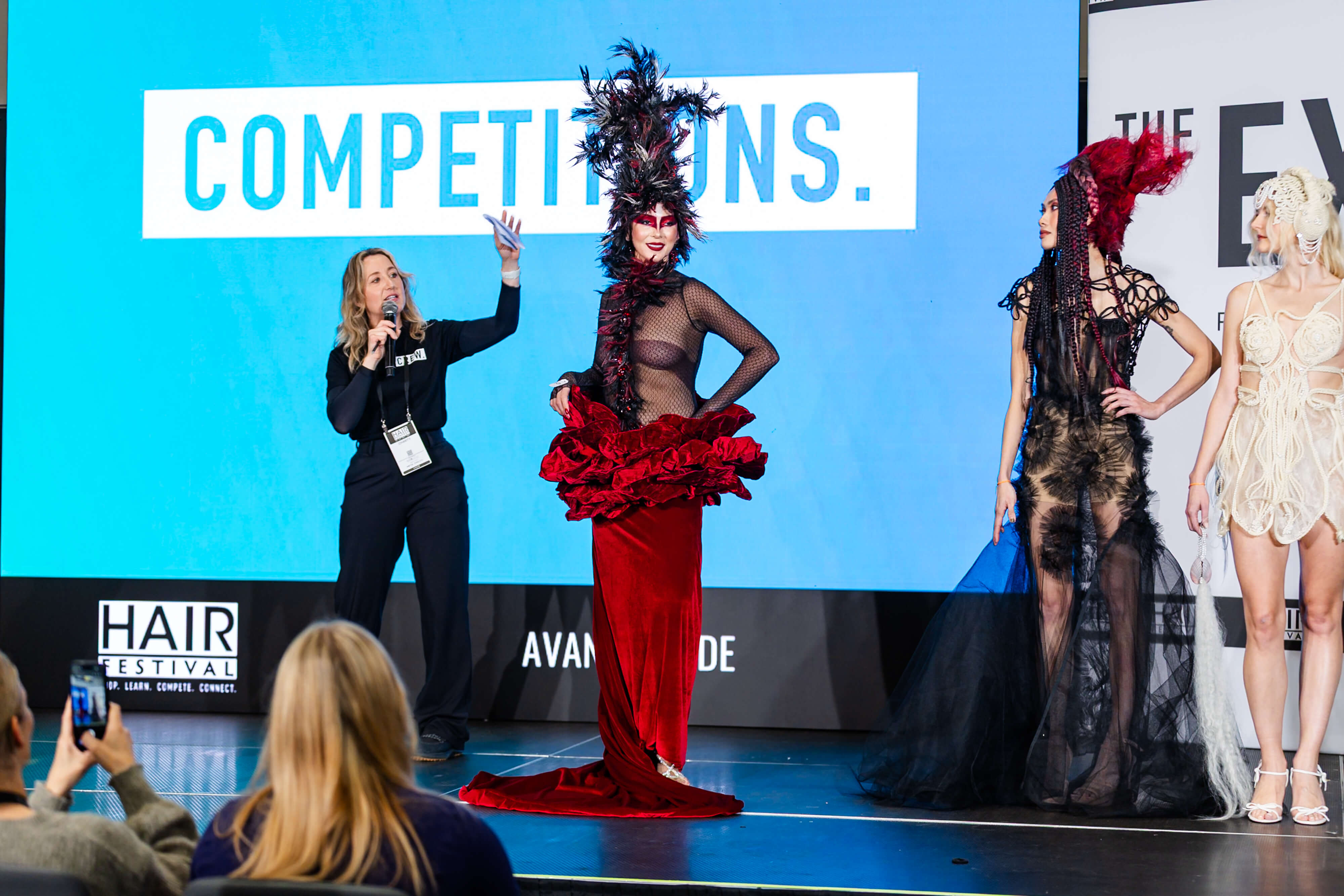
Creative stage design is important, but the technical planning behind it is what helps everything run smoothly.
AV requirements can influence stage dimensions, rigging, power distribution, cable management and access for installation and pack-down. These considerations become particularly important when incorporating large LED displays, suspended equipment or complex lighting designs.
Content preparation should also be part of the planning process. Presentation formats, video resolutions, aspect ratios and playback requirements should be confirmed ahead of time to reduce the risk of last-minute adjustments.
It's equally important to allow enough time for equipment installation, testing, rehearsals and cue-to-cue checks. A beautifully designed stage is only effective if the technology works reliably when the event begins.
Bringing your AV provider into the conversation early allows these requirements to be considered alongside the creative vision, helping to avoid surprises onsite.
A well-designed stage does more than look impressive. It supports your speakers, communicates your brand, enhances audience engagement and creates opportunities to deliver value to sponsors.
By integrating AV into the stage design from the outset, you can create a setup where every screen, lighting fixture and display has a clear purpose. The result is a more cohesive production, a better experience for your audience and a stage that works as hard as the team behind it.
At Connected Event Group, we help event organisers turn stage concepts into practical, engaging AV experiences. From LED screens and creative display configurations to lighting and technical production, our team works with you to find solutions that suit your venue, audience and event objectives.
Whether you're planning a conference, gala dinner, awards night or product launch, incorporating AV early can open up more creative possibilities and help your event make the right impression.
Planning your next event? Get in touch with Connected Event Group to discuss how we can bring your stage design to life with the right AV solutions.


