
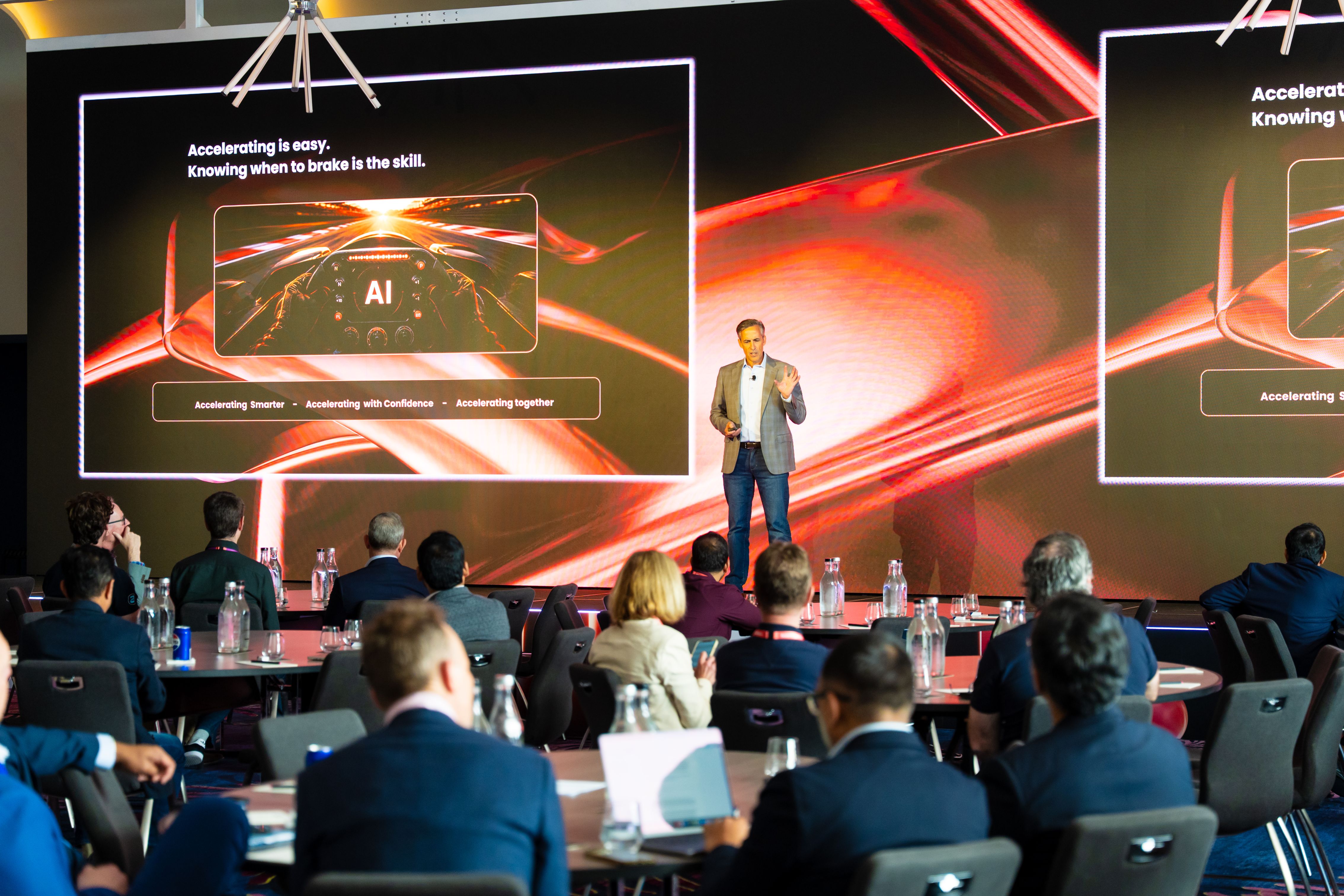
When it comes to event visuals, the right display technology can make a significant difference to how your content looks, how your audience engages and how your event comes together. But with LED screens and projection both offering ways to bring presentations, branding and visuals to life, how do you know which is right for your event?
The answer depends on your venue, lighting conditions, content, budget and what you want your audience to experience. Let's break down the differences between LED screens and projection to help you make the right choice for your next event.
LED screens use panels made up of light-emitting diodes to create bright, high-resolution images directly on the display surface. They can be built into a range of shapes and sizes, from large stage backdrops and immersive displays to creative installations and branded features.
Projection works by using a projector to cast an image or video onto a surface, such as a projection screen, wall or specially designed backdrop. The projector needs a suitable surface and enough distance to produce the desired image size.
Both technologies can deliver impressive results, but they perform differently depending on the environment and the outcome you're looking to achieve.
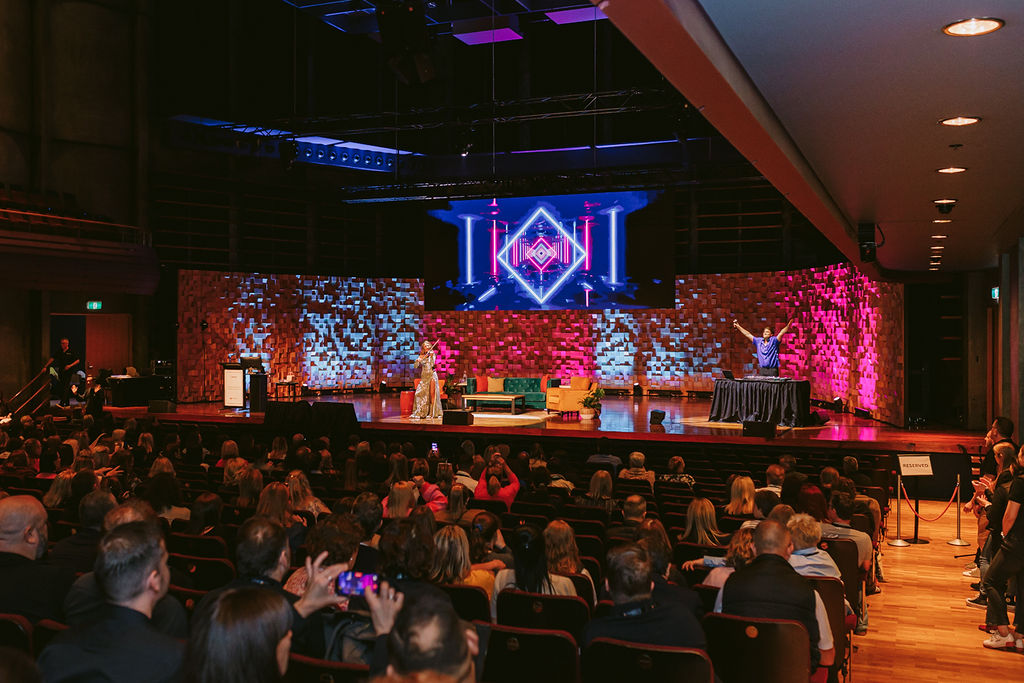
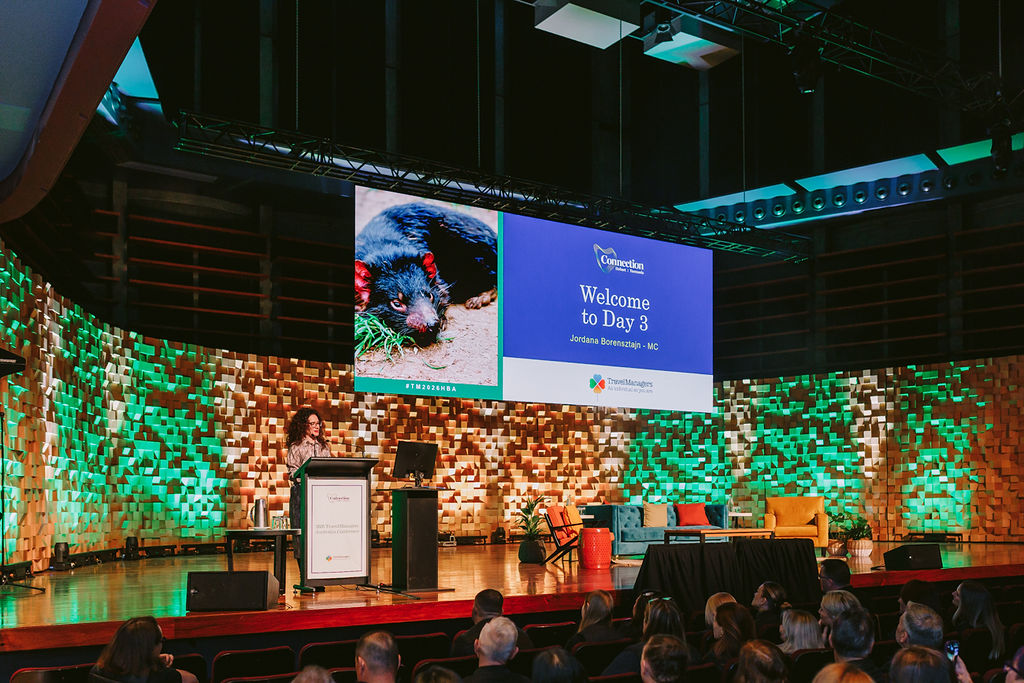
LED screens are a popular choice for conferences, product launches, exhibitions, gala dinners and corporate events where visual impact is a priority.
One of the biggest advantages of LED is brightness. Because LED screens produce their own light, they can deliver vibrant colours and clear visuals in environments where controlling ambient light isn't practical. This makes them particularly useful for daytime events, exhibition halls and venues with significant natural or artificial lighting.
LED also offers flexibility in design. Screens can be configured to suit different stage dimensions, create expansive backdrops or become a feature in their own right. With options such as curved displays, flexible LED columns and LED plinths, event organisers can go beyond a traditional rectangular screen to create something more distinctive.
For brands and sponsors, LED provides another opportunity to make an impression. Content can be changed throughout an event to showcase different sponsors, reinforce branding or keep visuals relevant to each session.
When is LED the best choice?
LED screens are worth considering when your event needs strong visual impact, bright and vibrant content, flexible screen configurations or a display that can double as valuable sponsor real estate.
They are especially effective when the screen is a central part of the stage design or when your content needs to remain clearly visible throughout the day.
Projection remains a valuable option for events where a large visual canvas is needed without building an LED display.
A key advantage of projection is its ability to transform existing surfaces. Depending on the venue and setup, content can be projected onto a traditional screen, a large wall or a purpose-designed surface. This can be particularly effective for presentations, conferences, awards nights and events where the visual design needs to complement the room.
Projection can also work well for larger-format imagery and atmospheric effects. When the venue allows for controlled lighting, projected visuals can create an immersive environment without the display itself becoming a dominant physical feature.
For events with an appropriate projection surface, suitable throw distance and manageable ambient light, projection can be a practical way to deliver presentations and visual content.
When is projection the best choice?
Projection is worth considering when your event requires a large image, the venue has suitable surfaces and lighting conditions, or the overall production design calls for a more understated visual approach.
It can also be a strong option when the screen size, venue layout and available production budget align with the requirements of the projection setup.
While both technologies can deliver high-quality visuals, there are a few important factors to consider when deciding between them.
LED screens generally have the advantage in bright environments. They produce their own light, helping content remain vivid even when the venue cannot be darkened.
Projection relies on light being reflected from a surface. Strong ambient light can reduce contrast and make projected images appear washed out. If you're planning a daytime conference or an exhibition with bright overhead lighting, LED may be the more reliable option.
Both LED and projection can deliver excellent image quality when the equipment is selected and configured correctly.
LED resolution depends on factors such as pixel pitch, viewing distance and screen size. A finer pixel pitch can provide greater detail, particularly when attendees are seated close to the display.
Projection quality depends on the projector's brightness and resolution, the projection surface, the distance from the projector and the amount of ambient light in the room.
The most suitable option will depend on the content being displayed and how close your audience will be to the screen.
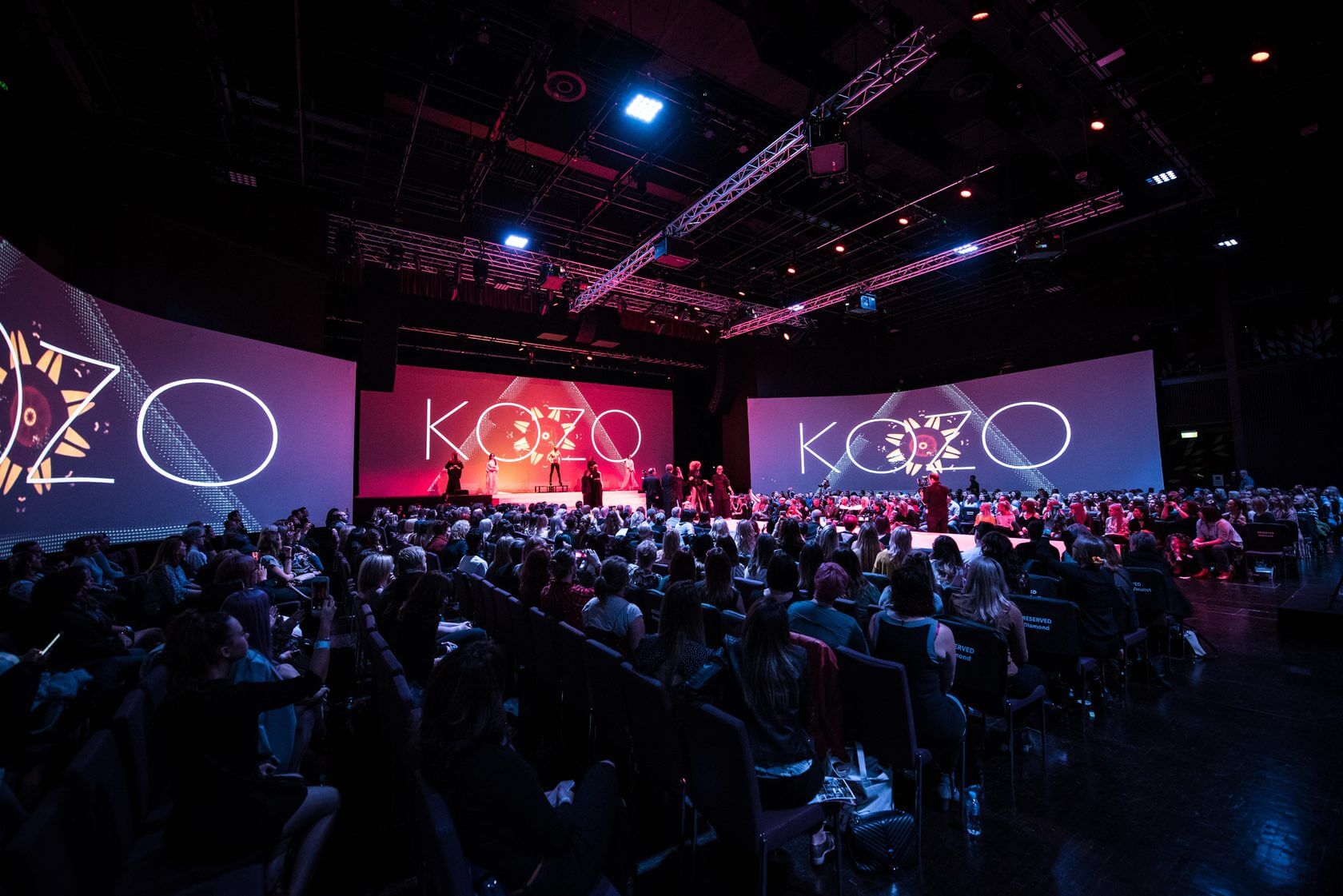
LED offers considerable flexibility when it comes to physical display design. Multiple panels can be combined into large backdrops, custom shapes and architectural features, creating opportunities to incorporate visuals into the wider event environment.
Projection offers a different kind of flexibility, allowing imagery to be displayed across suitable existing surfaces or purpose-built projection screens. It can be particularly effective when the production design calls for a large visual area without a physical LED structure.
The best choice depends on whether your design calls for a custom-built display or visuals that work with the venue itself.
The cost of LED screens and projection varies depending on the scale and complexity of the event.
LED costs can be influenced by screen dimensions, pixel pitch, configuration, rigging, processing and installation requirements. Projection costs depend on factors such as projector brightness, lens requirements, screen size, mounting positions and the need to control ambient light.
It's important to consider the entire production setup rather than comparing equipment hire prices alone. Venue access, installation time, rigging, technical support and the complexity of your content can all affect the final cost.
An experienced AV partner can help you compare options based on your event's actual requirements and identify where your budget will have the greatest impact.
If sponsorship is an important part of your event, LED screens can provide a versatile platform for brand exposure.
Sponsor logos, video content, event branding and session-specific graphics can be displayed throughout the event and updated as required. Custom LED features, including columns and plinths, can also turn otherwise overlooked spaces into opportunities for sponsor visibility.
Projection can deliver sponsor branding and logos effectively too, particularly on stage screens and large projection surfaces. However, the brightness and viewing conditions of the venue will influence how clearly that content is seen.
For events looking to create additional sponsorship inventory, LED can offer more opportunities to integrate digital branding into the physical environment.

Absolutely. Choosing between LED and projection doesn't always have to be an either-or decision.
Combining the two technologies can help create a more dynamic event environment while allowing each to do what it does best.
For example, a corporate conference might use LED as the main stage backdrop for presentations and branding, while projection provides additional visuals on suitable walls or secondary surfaces. An awards night could feature LED screens for key moments and sponsor content, with projection helping establish atmosphere across the venue.
The key is to plan the visual design as a complete system. Screen placement, image brightness, content resolution, sightlines and the relationship between different displays all need to be considered to achieve a consistent result.
There is no universal winner in the LED vs projection debate. The best solution is the one that supports your event objectives, works with your venue and delivers the right experience for your audience.
If brightness, vibrant colours, custom configurations and sponsorship opportunities are high on your priority list, LED screens are likely to be a strong contender.
If your venue offers suitable projection surfaces and lighting conditions, projection may provide an effective way to deliver large-scale visuals as part of your event design.
Before making a decision, consider your audience size, viewing distances, content requirements, venue lighting, available rigging points and overall production budget. These details will help determine which technology will deliver the best result.
At Connected Event Group, we know that great event technology is about more than the equipment itself. It's about finding the right solution for your space, your audience and your objectives.
Our team can help you assess your venue, compare LED screen and projection options, and develop an AV setup that brings your event vision to life. Whether you're planning a conference, exhibition, product launch or gala dinner, we'll help you make informed decisions about your event visuals.
Planning an event and not sure whether LED or projection is right for you? Get in touch with Connected Event Group to discuss your requirements and explore the options available for your next event.


