Interactive experiences are quickly becoming a core part of modern events. Audiences increasingly expect more than passive content consumption, and well-designed interactive elements can transform attendees from observers into active participants. Multi-screen environments are particularly powerful in achieving this, creating immersive engagement opportunities that capture attention and encourage exploration throughout the event space.
By combining multiple displays, mobile devices, and interactive surfaces, organisers can design experiences that feel dynamic and connected rather than static. Touchscreens can allow attendees to browse content, explore data, or participate in challenges. Gesture-based interfaces can create playful, memorable moments that draw crowds and encourage curiosity. Real-time data visualisation displayed across screens can bring live polls, audience feedback, or event statistics to life, turning audience participation into a shared experience.
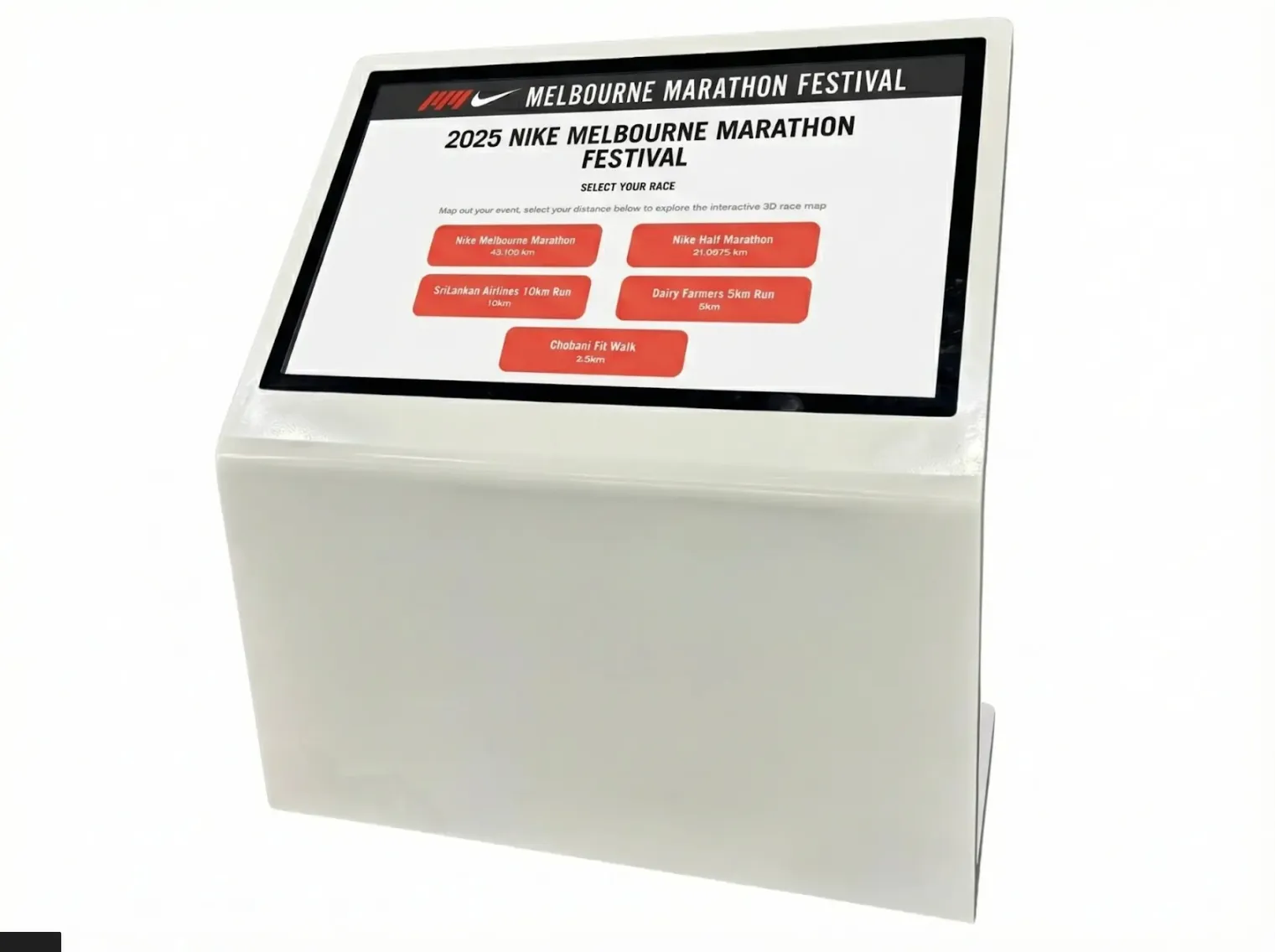
The most successful interactive activations balance creativity with practicality. While the concept might be visually impressive, the technology must remain intuitive and easy for attendees to use without instructions. Clear prompts, simple user flows, and visible feedback help ensure people feel confident engaging with the experience. Just as importantly, the underlying technology needs to be reliable enough to operate smoothly in a live event environment where high foot traffic, time pressure, and unpredictable conditions are common.
Measurement is another important advantage of interactive technology. Digital interactions make it possible to track engagement in ways that traditional event elements cannot. Metrics such as dwell time, participation rates, repeat interactions, and social sharing can provide valuable insights into how attendees are engaging with the experience. These data points help organisers evaluate what worked, demonstrate value to sponsors, and refine future activations.
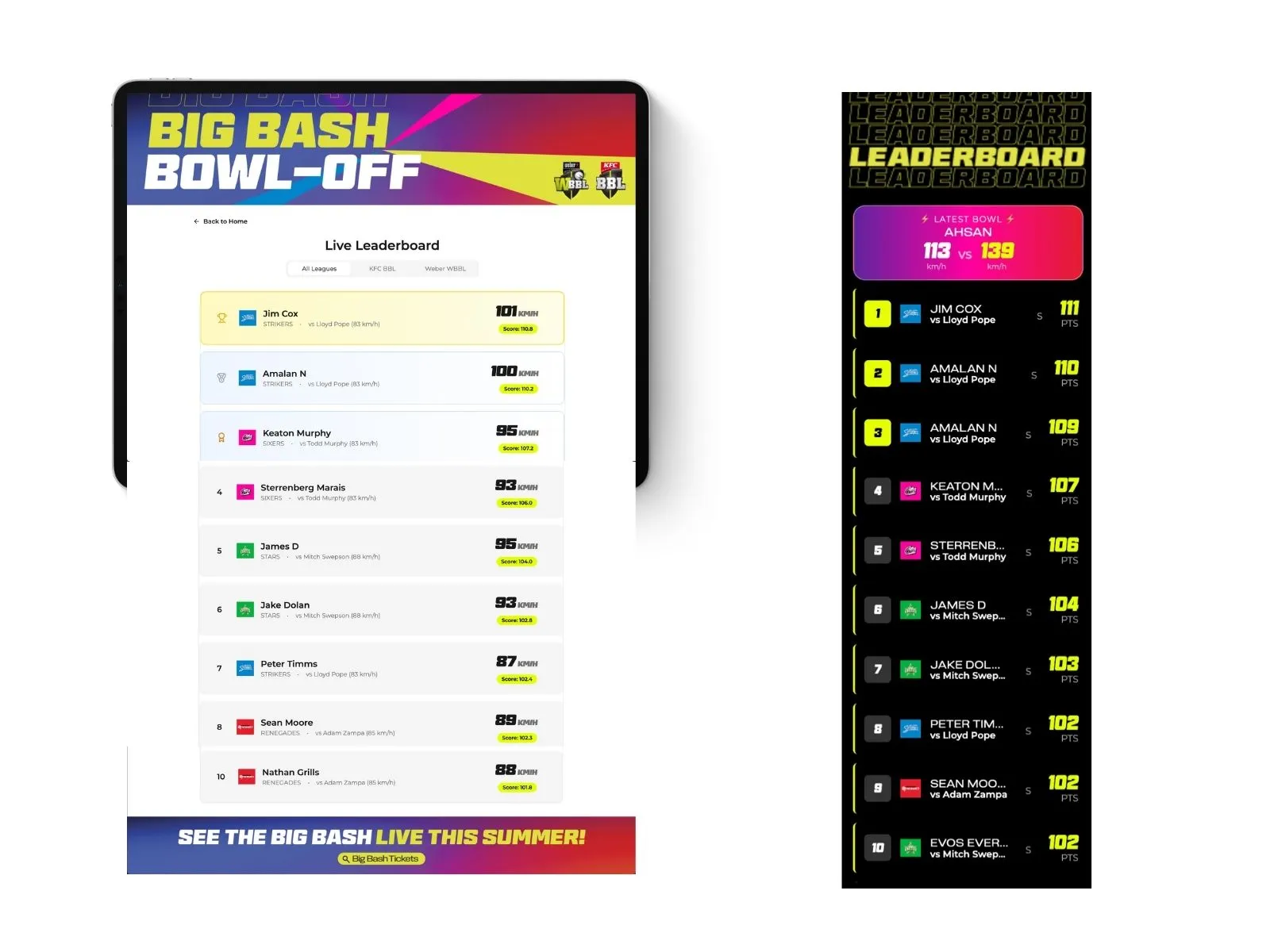
When designed thoughtfully, interactive event technology delivers more than just entertainment. It creates memorable moments that attendees want to photograph, share, and talk about long after the event has finished. At the same time, it provides organisers and partners with meaningful engagement data that can inform smarter event design moving forward.
Download the Multi-Screen Event Playbook for step-by-step experience concepts.