.jpg)
When you're planning an event, it's easy to look at AV and technology as a cost.
A screen costs $. LED costs $. A technician costs $. Livestreaming costs $.
But the better question is: what is that technology actually delivering in return?
Event technology can do far more than make a room look impressive. When it is planned strategically, the right AV can improve audience engagement, create sponsorship opportunities, extend the life of your content and help your event deliver more value.
Here's how to think about the ROI of event technology.
One of the easiest ways to overspend on AV is to start with a shopping list.
"We need three screens, some LED, stage lighting and microphones."
Instead, start with what you are trying to achieve.
Do you want attendees to feel immersed in the event? Do you need to make presentations easier to follow? Are you trying to attract sponsors? Do you want to reach people who can't attend in person? Do you want to create content that can be used long after the event?
Once you know the objective, you can work backwards to determine which technology will actually help you achieve it.
This approach can also mean spending less. The most expensive technical solution isn't necessarily the one that delivers the best result.
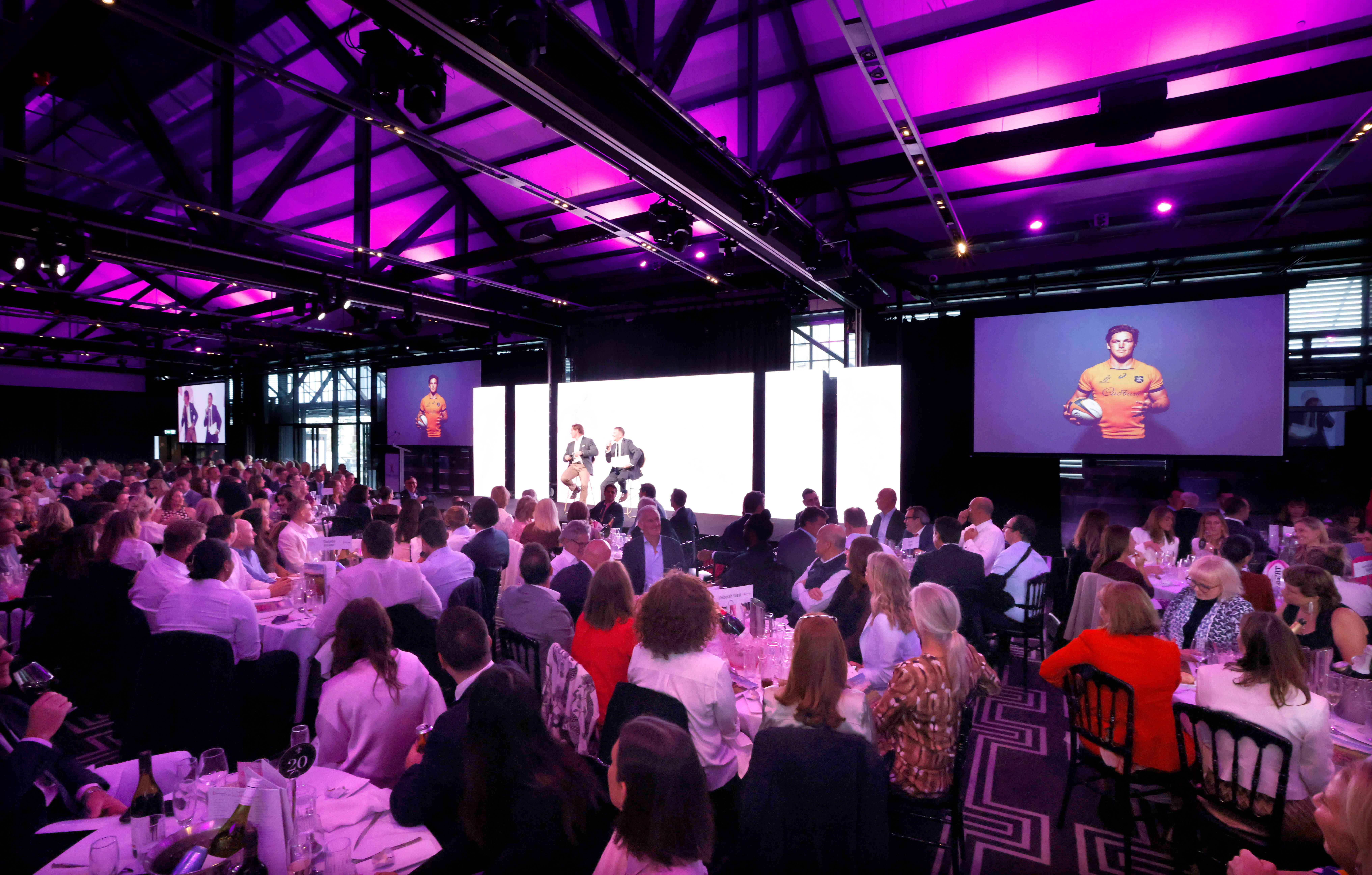
Good event technology should contribute to the audience experience, not simply sit in the background.
Large LED screens can create a stronger visual environment. Dynamic content can bring presentations to life. Lighting can change the atmosphere between sessions. Interactive screens can encourage participation. Cameras and live production can make remote attendees feel part of the event.
The ROI here isn't always a simple dollar figure. A better audience experience can contribute to stronger engagement, better feedback, increased participation and a more memorable event.
The key is to use technology with purpose.
A giant LED wall is impressive, but if you're displaying a stretched PowerPoint presentation on it for eight hours, you may not be getting the value you could from the investment.
Technology can also create opportunities to generate revenue from your event.
LED screens, digital banners, entrance features, content loops and other high-visibility technology can potentially become branded sponsorship opportunities.
For example, an LED entrance feature could be positioned as premium sponsor real estate, giving a partner visibility at one of the first points attendees encounter.
Flexible LED columns can also transform existing venue structures into branded features, while digital screens can provide opportunities for sponsor logos, messages and content throughout the event.
Instead of asking, "How much does this screen cost?", consider asking, "Can this screen create enough value to contribute towards its own cost?"
That shift in thinking can change how you approach your event technology budget.
Your event doesn't have to end when the doors close.
If you're already investing in speakers, presentations and production, consider how you can capture that content for use afterwards.
Professional cameras and production can allow you to record keynote presentations, panel discussions, interviews and other content that can then be repurposed for internal communications, social media, marketing campaigns, training or future events.
A podcast recording studio or mobile recording setup can also turn an event into an opportunity to create additional content while your speakers and guests are already onsite.
The more ways you can use the content you are already paying to produce, the greater the potential return on your event investment.
.jpg)
A physical venue puts a natural limit on how many people can attend.
Hybrid technology can remove some of those limitations by allowing an additional audience to participate remotely.
Livestreaming, multiple cameras, vision mixing and virtual event platforms can turn an onsite event into an experience that reaches people beyond the room.
There is, of course, a cost involved in producing a quality hybrid event. But that cost needs to be considered alongside the potential additional reach, rather than simply being treated as another AV expense.
For some events, the ability to include remote attendees, international teams, customers or speakers can significantly increase the value of the event.
Sponsors are another important part of the ROI equation.
If a sponsor is investing in your event, the technology you choose can help you create more valuable and measurable opportunities for them.
Rather than simply placing a logo on a holding slide, consider how technology can create more prominent and engaging touchpoints.
This could include branded LED content, digital signage, interactive experiences, branded registration areas, sponsored content or dedicated digital features.
Technology can help sponsors become part of the event experience rather than simply appearing on a logo slide.
.png)
Not every technology investment needs to be a one-event decision.
If your organisation runs multiple events throughout the year, think about which technology can be used repeatedly.
Digital signage, interactive screens, presentation systems, LED solutions and content platforms can potentially be incorporated into multiple events, while a consistent technical approach can also make future planning more efficient.
This is where an AV partner can help you consider the bigger picture.
Instead of simply asking what you need for this event, ask what could work across your event calendar.
ROI isn't only about revenue.
Technology can also save time and reduce the amount of manual work required from your team.
A well-planned presentation management system can make it easier to collect, check and deliver speaker presentations. Digital wayfinding can reduce the need for printed signage. Event apps can centralise information and communication. A properly designed production system can make it easier for presenters and event staff to know what happens next.
Small efficiencies can add up, particularly for teams delivering multiple events throughout the year.
There isn't one universal formula because every event has different objectives.
However, you can start by identifying what you want the technology to deliver and choosing a few measurable indicators.
These might include:
The important thing is to establish what success looks like before choosing the technology.
.jpg)
There's a temptation in events to think that bigger automatically means better.
More LED. More screens. More cameras. More technology.
But ROI isn't about how much technology you can fit into a venue. It's about whether the technology is helping you achieve your event objectives.
Sometimes that means investing in a large LED wall that transforms the room. Sometimes it means a simple screen configuration that gives every attendee a clear view of the presentation. Sometimes the smartest investment is livestreaming, because your audience extends well beyond the venue.
The right solution depends on the event.
Your AV provider shouldn't just be quoting equipment.
They should be asking what you're trying to achieve, who your audience is, how the room will be used, what your sponsors need and how the technology could create additional value.
At Connected Event Group, we work with businesses, agencies and event organisers to develop AV and technical production solutions around the objectives of the event.
From LED and display technology to staging, audio, livestreaming, hybrid production and interactive event technology, we can help you look beyond the equipment list and consider how your technology investment can work harder.
Planning an event? Talk to the Connected Event Group team about how you can get more value from your event technology.